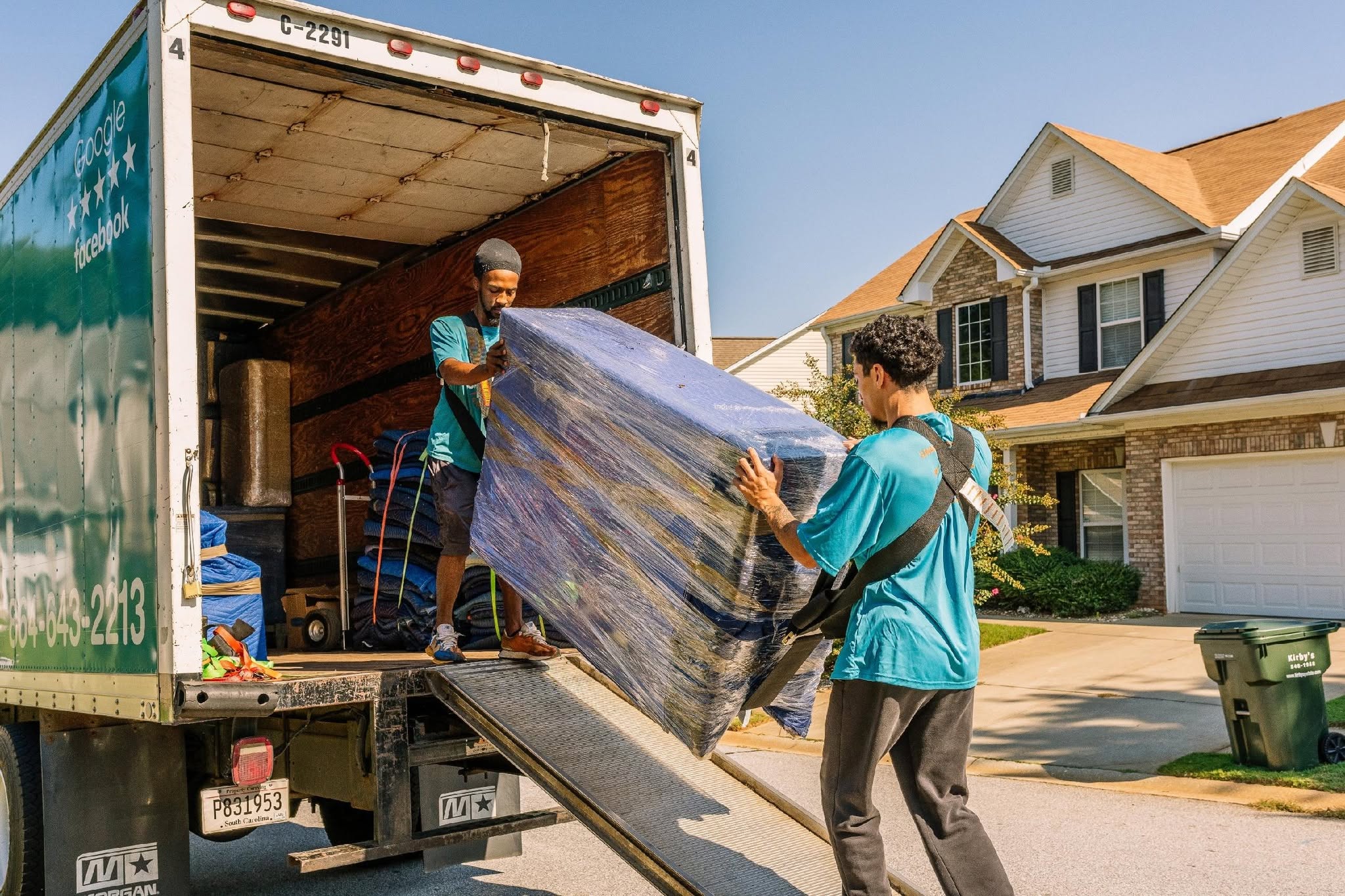
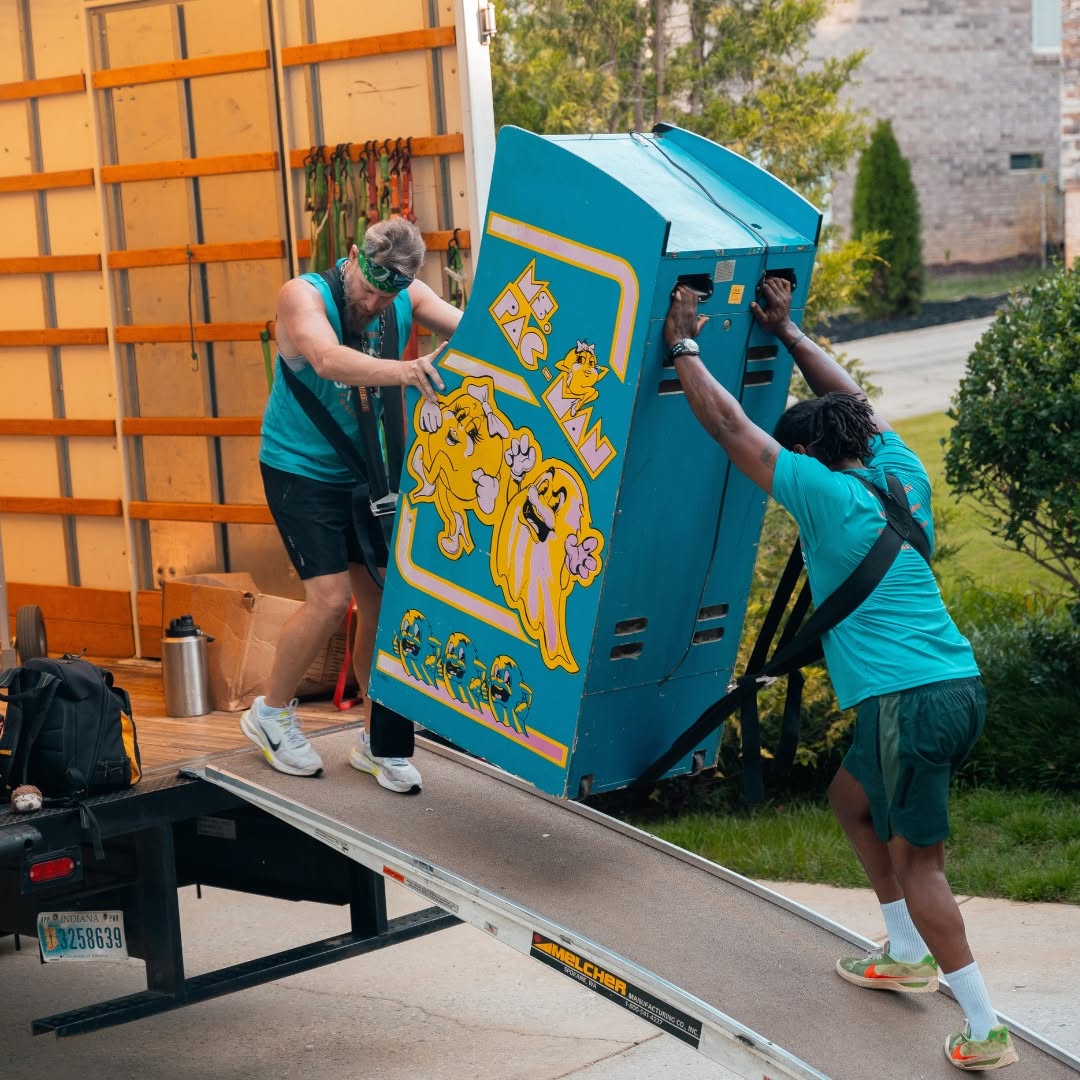
Everything you need to eliminate stress from your next move. Affordable moving, packing, and unpacking on residential, commercial, local, and long-distance moves.
We are mindful of getting the job done in a fast and efficient manner, all while still caring for your items. Ready to get your move on the road? Let our fast and friendly Rabbits get the job done for you!
We understand that moving can be stressful. At Swamp Rabbit Moving, we believe it doesn’t have to be! No matter where you’re moving to or from, whether it’s an apartment, a new house, or even long-distance, the Rabbits are here to make your move easy and reliable. We are licensed, bonded, and insured, so you can have peace of mind that your belongings are in good hands.
How to Handle Specialty Moves in Greenville: Pianos, Antiques, and More
Most moves have at least one item that just does not follow the standard rules. Maybe it is a baby grand piano that has lived in the family for three generations. Maybe it is an antique secretary desk that cannot be taken apart without damaging the joinery or a gun safe that weighs close to a thousand pounds.
Whatever it is, there comes a point in move planning where you realize, okay, this particular item needs its own conversation.
Getting a specialty move right kind of depends on two things: the equipment you bring and the experience behind the people using it. One without the other is not enough, honestly. It is part of why so many people go looking for trusted movers in Greenville, SC, when they have got something irreplaceable on the line.
Here is how we approach the most common specialty move situations in Greenville.
What Makes Something a Specialty Move
The term gets used loosely, but in practical terms, a specialty move is any situation where the item requires handling techniques, specific equipment, or planning that goes beyond what a standard residential move involves. Size is one factor.
A piano or a large safe requires specific dollies, careful weight distribution, and a crew that knows how to navigate doorways and stairs without damaging the item or the walls around it. This is one of the reasons local movers who know the area's older homes and tighter layouts tend to handle these situations better than a crew brought in from somewhere unfamiliar.
Fragility is another factor entirely. A piece of antique furniture may not be heavy, but the wrong technique can crack a joint that has held for over a century. Artwork, sculptures, and high-value decorative pieces fall into this category as well.
The stakes are higher than they are for a standard couch or a dining set from a furniture store, and the approach needs to reflect that. Custom crating and specific padding techniques exist specifically because furniture blankets are not sufficient protection for certain things.
Moving a Piano in Greenville
Pianos are the most common specialty item we move in Greenville and throughout Upstate South Carolina. There is a meaningful difference between moving an upright piano and moving a grand piano, and both require equipment and practiced technique that a general moving crew without specific piano experience should not attempt.
An upright piano needs to be secured properly on a piano board, moved on heavy-duty dollies, and tilted carefully through doorways that often do not offer much clearance. A grand piano involves disassembling the legs and pedal lyre, protecting the soundboard and lid, and keeping the case level throughout transport to avoid stress on the internal structure.
Doing either correctly requires crew members who have worked through that process many times, not just once or twice. Understanding the cost of moving specialty items like a piano ahead of time also helps you budget properly, since pricing depends heavily on the instrument type and the access points involved.
We handle piano moves regularly and approach each one with the specific equipment and technique the instrument requires based on its type and the access points at both the origin and destination.
Antique Furniture and Fragile Pieces
Antique furniture presents a challenge that is different from both size and weight. The materials and joinery methods used in older pieces are often not designed to absorb the kind of flex or pressure that moving can put on them. A move that would be completely fine for a modern dresser can put damaging stress on the mortise-and-tenon joints of a piece made in a different era.
Preparation matters as much as the physical move for antiques. Drawers need to come out and be wrapped separately. Mirrors and glass components need to be removed before transit. For pieces that are particularly fragile or valuable, custom crating may be the right answer, which means building a fitted protective crate around the item specifically for that move.
The general principles behind moving large and fragile items apply directly here, since size and fragility often overlap in older furniture pieces. Our team assesses each antique piece during the estimate the process so the right level of protection is established before the crew ever arrives, not discovered on move day when options are limited.
Gun Safes and Heavy, Concentrated Items
Gun safes require a different kind of planning than most heavy items because the weight is dense and concentrated. A mid-size residential safe can weigh anywhere from five hundred to over a thousand pounds, and that weight does not behave the way furniture weight does. The right dollies, the right crew size, and a clear plan for every obstacle in the path are not optional.
Some safes are wider than standard doorways, which may require removing the safe door to reduce the width or removing a doorframe to create enough clearance. This is not something that should be figured out on move day.
It needs to be assessed during the estimate process so the crew arrives with the right equipment and a plan for each physical challenge. We handle safe moves regularly and know what to look for during the walkthrough so nothing is a surprise on the day of the move.
Have a piano, safe, or antique piece somewhere in Greenville or Upstate South Carolina that needs a careful hand?Give us a call at (864) 643-2213, and we'll walk you through exactly how we'd handle it.
Artwork, Sculptures, and High-Value Decorative Items
Large framed artwork, sculptures, and high-value decorative pieces need to be transported in specific orientations, with padding that does not transfer pressure to the surface or frame.
Canvas paintings should never have anything resting against the painted surface during transit. Sculptures with extending elements need those elements protected individually, not just wrapped as a complete unit.
For items at the higher end of value, custom crating is often the appropriate solution. A crate built specifically around a piece of art or a sculpture provides rigid protection that blankets and padding cannot replicate.
We assess during the estimate process whether high-care wrapping is sufficient for a particular piece or whether crating is the right call. That determination is based on the item, not a default recommendation.
How We Approach Specialty Moves at Swamp Rabbit Moving and Storage
Every specialty item on a move should be identified during the estimate process, not discovered when the crew arrives. When we assess a specialty move, we look at the item itself, the access points in the current space, and any potential complications at the destination before a single thing is loaded. That planning is what allows us to bring the right equipment and the right number of people for the job.
Our specialty moving service covers pianos, antique furniture, gun safes, large artwork, oversized pieces, and anything else that requires handling beyond the standard approach. We also offer white glove delivery for situations where items need to be placed and set up carefully at the destination, not just carried through the door.
If you have a piano, antique, safe, or anything else that needs specialty care on your next Greenville move, contact the rabbits at (864) 643-2213 or sales@swamprabbitmoving.com. We're at 314 Lloyd St, Greenville, SC, and estimates are always free with no obligation.
Related Topics:
Seasonal Equipment Storage in Greenville
Local vs. Long-Distance Moving Lead Times
Chris Sweet
We began as a small company, me and a few guys, and 1 truck in October of 2020. Since then, we have grown to 19 trucks, a staff 60, and a 40,000-square-foot warehouse. To say I’m blessed with a great team is a vast understatement. During this journey, we have provided living wage jobs to all our employees and poured back into our community in big ways. That is something I’m truly proud of.