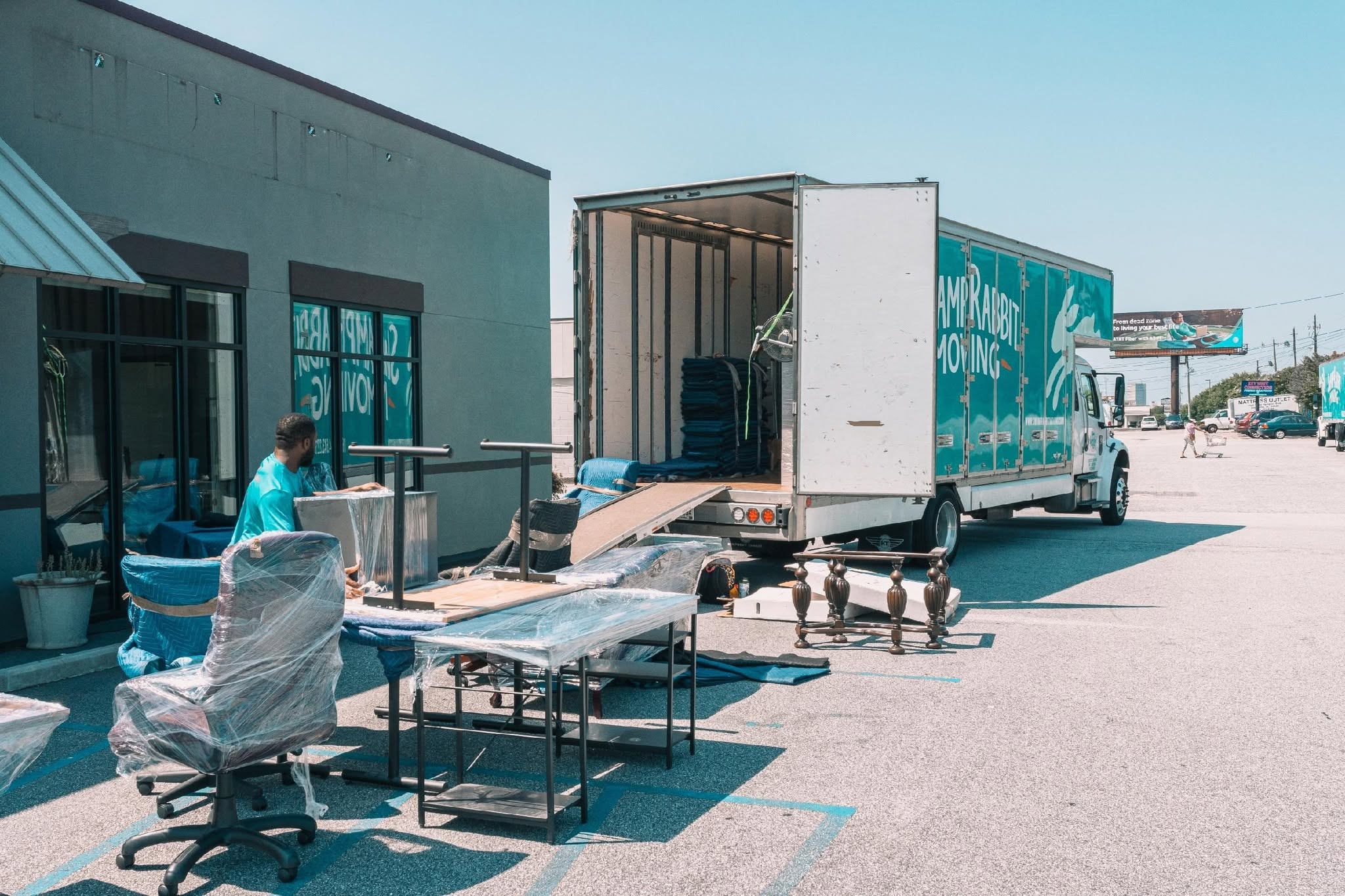
Commercial moves in Columbia vary more than most business owners expect. A five-person office and a fifty-person office don't just differ in the number of desks. They differ in coordination, crew size, and how much planning needs to happen before anyone shows up with a truck. That last part, you know, tends to catch people off guard.
Understanding what drives those differences makes it easier to plan a relocation without leaving your business stuck in a scheduling gap. And honestly, that's where professional moving services come in. Having the right team behind you means less guesswork and a lot fewer surprises on moving day.
Small Office Moves in Columbia
A small office of one to ten workstations, a conference table, and a reception area can often be completed in a single day with the right crew. But "can be done quickly" and "will be done quickly without preparation" are two different things.
The biggest time consumers on small office moves are usually the things people overlook. IT equipment that wasn't disconnected or labeled before the crew arrived. Filing cabinets nobody got around to clearing out. Conference room furniture that's significantly heavier than it looks. Add those up, and a move that should take four hours can push to seven.
The fix is straightforward: have the team disconnect and label everything before moving day. Cleared desks, labeled boxes, and disconnected monitors mean the crew can move at full pace from the first hour.
Mid-Size Office Relocations in Columbia
An office of ten to thirty people involves more furniture variety, more specialized equipment, and often multiple departments with different needs at the destination. It also tends to involve more people with opinions about where their things should go in the new space, which can slow down unloading considerably if nobody has worked that out in advance.
For moves in this range, a pre-move walkthrough with the crew lead before moving day consistently makes a difference. That conversation, which usually takes less than an hour, covers what's going to take the most time, what needs special handling, and what the loading and unloading sequence is going to look like on both ends. Columbia businesses that invest in that walkthrough typically see fewer delays than those who figure out the details on the fly.
Scheduling outside business hours is also worth considering at this scale. Businesses along Assembly Street, Main Street, or in the Harbison area often find that a Saturday move causes far less disruption than a weekday that pulls employees out of work and adds moving traffic to an otherwise normal business day.
Large-Scale Corporate Moves in Columbia
A corporate relocation involving an entire floor, a multi-department operation, or a facility with specialized equipment is a different kind of project. The physical moving still happens in hours. The planning spans weeks.
Large commercial moves in Columbia, particularly those involving government operations, healthcare facilities, or major employers near Fort Jackson, typically require a clear phase plan.
What moves first? What stays operational during the move? What needs to be coordinated with IT, facilities management, and building access on both ends? These questions don't have to be complicated, but they need answers well before the move date arrives.
Our commercial crew is built for this kind of coordination. We can work in phases, handle after-hours and weekend scheduling, and work around operational requirements that mean certain departments can't go offline until others are already up and running at the new location.
What Slows Down Any Office Move in Columbia
Across small, mid-size, and large commercial moves, the delays we see most often come from the same sources. Equipment that wasn't disconnected in advance. Boxes not labeled by room or department. Last-minute decisions about items that were supposed to be disposed of but ended up on the truck. New address details that didn't get communicated before moving day, like elevator booking windows, parking restrictions, or loading dock hours.
None of these are unusual. They happen on most commercial moves to some degree. But they're all addressable before the crew arrives. The earlier those details surface in the planning process, the less likely they are to become moving-day problems.
Scheduling Around Your Business Operations in Columbia
Most Columbia businesses can't absorb a full day of downtime for a move. That's why we offer evening and weekend scheduling for commercial jobs. A Friday evening start with the bulk of the move running through Saturday covers a lot of ground without touching the regular workweek.
The right approach depends on how much can be pre-staged before the crew arrives. Businesses in downtown Columbia and the Harbison corridor often stage furniture and boxed items on a Friday afternoon so the crew can move at full pace from the start on Saturday morning. That kind of coordination requires communication on both sides, but it consistently shortens total move time.
Building Your Commercial Move Timeline in Columbia
For small offices of one to ten workstations, plan for a single-day move with a crew of three to four. Give your team a full week of internal prep before moving day arrives.
For mid-size offices of ten to thirty workstations, plan for a one-to-two-day move with a crew of four to six. Schedule a pre-move walkthrough at least a week before the move date.
For large-scale corporate relocations, plan in phases. The physical move may span multiple days or weekends. The planning conversation should start four to six weeks before the target date, not the week before.
We've handled commercial moves across Columbia, from downtown office buildings to Harbison-area businesses to operations near Fort Jackson. For a conversation about your specific commercial relocation in Columbia, visit our Columbia moving services or request a free estimate to get the planning started.
Related Topics: