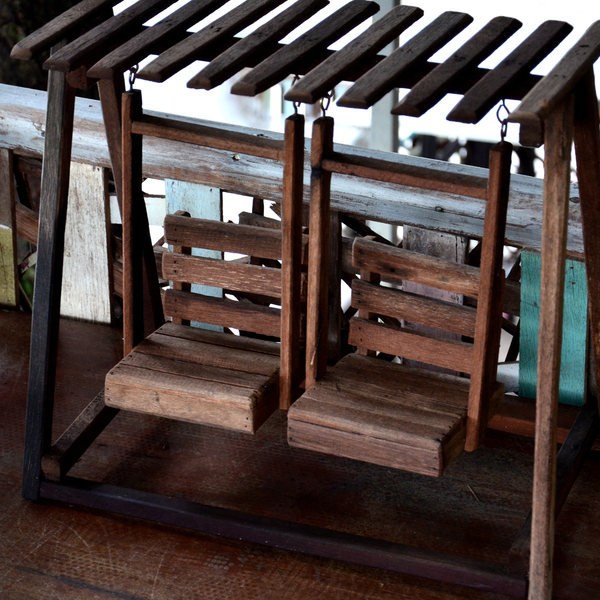
Antique furniture requires special care during a move. These pieces hold both monetary and sentimental value, so protecting them properly matters. Simpsonville's skilled moving team knows that the right packing approach can mean the difference between a safe arrival and costly damage. This guide covers everything from assessing your pieces to loading them onto the truck. By the end, you'll have a clear plan for getting your antiques to your new home in one piece.
Assessing the Antique Furniture
Before packing anything, take time to inspect each piece for existing damage or weak spots. Look for loose joints, cracks, or areas that might give way during handling. Check for delicate details like carvings, inlays, or veneers that could chip or break. Note any previous repairs that might need extra attention. Look closely at the wood for signs of woodworm or rot. Write down any scratches, dents, or discoloration, so you have a record of the furniture's condition before the move. A thorough assessment helps you plan how to pack and protect each piece.
Gathering Packing Supplies
Getting the right supplies makes a big difference in keeping your antiques safe. Start with sturdy cardboard boxes in different sizes to fit various items. Bubble wrap provides cushioning and protection for delicate surfaces. Packing paper works well for wrapping items individually to prevent scratches during transit. Stock up on packing tape to secure boxes and keep them stable. Furniture blankets or moving blankets protect larger pieces from bumps and scratches. Furniture sliders help move heavy items without straining the furniture or yourself.
Disassembling for Easy Transport
Once you have your supplies ready, start taking apart any furniture that can be safely disassembled. This step requires care to avoid damaging your pieces. Here's how to do it right:
- Identify Key Components: Determine which parts can be disassembled without causing damage.
- Use the Right Tools: Grab the proper tools like screwdrivers, wrenches, and Allen keys to take things apart correctly.
- Keep Hardware Secure: Put all screws, bolts, and nuts in a labeled bag and tape it to the disassembled parts so nothing gets lost.
Wrapping and Padding Techniques
Each disassembled section needs careful wrapping and padding for maximum protection during transport. Start with soft, clean packing paper to shield delicate surfaces from scratches. Add bubble wrap as an extra layer of cushioning, paying special attention to fragile edges or detailed carvings. Use quality packing tape that's strong but won't damage the furniture. For bigger pieces, wrap them in moving blankets to guard against bumps or impacts. Taking the time to wrap and pad each component properly keeps your antiques protected throughout the move.
Securing Fragile Parts
Delicate components need extra precautions to prevent damage on the road. Here are some ways to keep fragile parts safe:
- Use bubble wrap: Wrap glass panels, intricate carvings, or delicate hardware in multiple layers to cushion against impacts.
- Secure with packing tape: After wrapping, use high-quality packing tape to hold the bubble wrap in place so it doesn't shift during transport.
- Fill gaps with packing peanuts: Stuff any empty spaces inside furniture pieces with packing peanuts to prevent movement and protect delicate parts.
Loading and Transporting Safely
Loading antique furniture properly prevents damage during transit. Lift and carry each piece carefully, distributing weight properly to avoid strain. Wrap furniture in quality moving blankets and secure them with packing tape to prevent scratches or dents. When loading the truck, put heavier items on the bottom and strap everything down to prevent shifting. Drive carefully and avoid sudden stops or sharp turns. When you arrive, unload slowly and handle each piece with care. Following these steps keeps your antique furniture safe from start to finish.
Related Topics: