Late April through August marks the busiest stretch for moves in the Greenville area, and it's not hard to see why. School years end, apartment leases run out, and home closings tend to bunch up in that same tight window, with everyone scrambling to book help at once. That's precisely why turning to professional movers who specialize in storage makes such a difference, since storage services throughout Greenville and Simpsonville get stretched thin the moment the season hits its busiest point.
Most people don't grasp how scarce storage space becomes during this busy stretch until they're already knee deep in a move, scrambling to find a unit that fits their timeline. Knowing what actually happens once demand outpaces supply, and why certain storage arrangements hold up better under that kind of strain, can shape how smoothly your move actually goes.
What Peak Moving Season Actually Looks Like in Greenville
The concentration of moves between May and August in the Greenville market is notable. Families plan their timing around the school calendar to minimize disruption for their kids. Students at Furman, Clemson, and USC Upstate all have move-out windows that fall within the same two or three weeks. Apartment lease agreements throughout Greenville County tend to cluster around June and August end dates in higher numbers than other months.
All of that creates a situation where a large number of households are looking for storage at the same time. Self-storage facilities in the area operate with fixed capacity. When those units fill up, new requests go to a waitlist with no guaranteed timeline for when something opens up.
How Traditional Self-Storage Facilities Handle Overflow Demand
When a self-storage facility reaches capacity, most use a first-come, first-served waitlist. You put your name on it and wait. There's no mechanism for prioritizing based on how urgent your situation is, and there's no fixed date you can plan around.
The other thing that tends to happen during peak season is that the units that are available don't match what you actually need. A facility may have open spots, but only in sizes that are too small or too large for your inventory. Renting two smaller units instead of one correctly sized unit costs more and creates more complexity at exactly the wrong time. Renting an oversized unit just to get something available means paying for space you don't need.
Climate-controlled units, which are the right choice for furniture, electronics, and household goods stored through a Greenville summer, are typically the first to fill up and the last to open back up.
The Difference Between Self-Storage and Warehouse Storage
Self-storage and professional warehouse storage are not the same thing, and the differences matter most during peak season when demand is highest.
A self-storage unit gives you a space and a lock. You're responsible for moving your belongings in and out. The facility provides the space but no labor, no inventory management, and no coordination with your moving plan. During peak season, that means competing for a unit in the right size, arranging your own transportation and loading separately, and managing that entire process as a parallel task on top of everything else involved in a move.
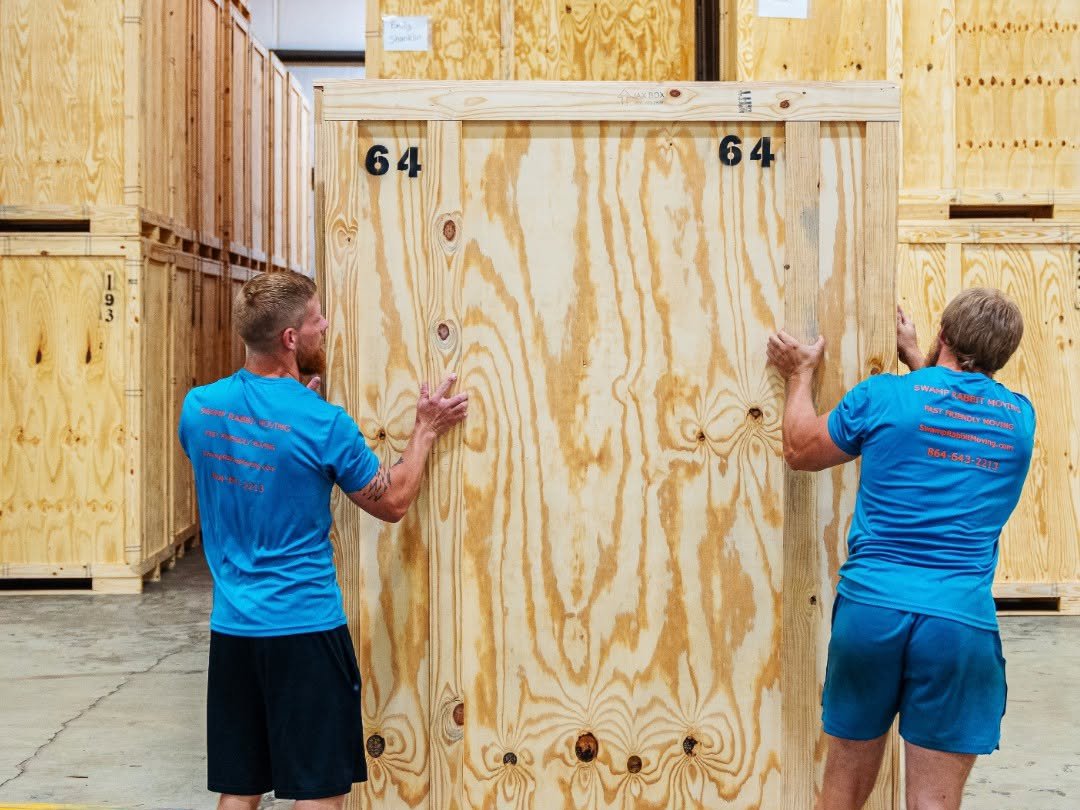
Warehouse storage through a moving company is structured differently. Your belongings are inventoried, loaded by a professional crew, and transported to the facility as part of the overall move plan. When you're ready for delivery, the same company brings everything to your new address. There's no separate access to manage, no independent scheduling to coordinate. The storage is part of the move, not a separate vendor relationship.
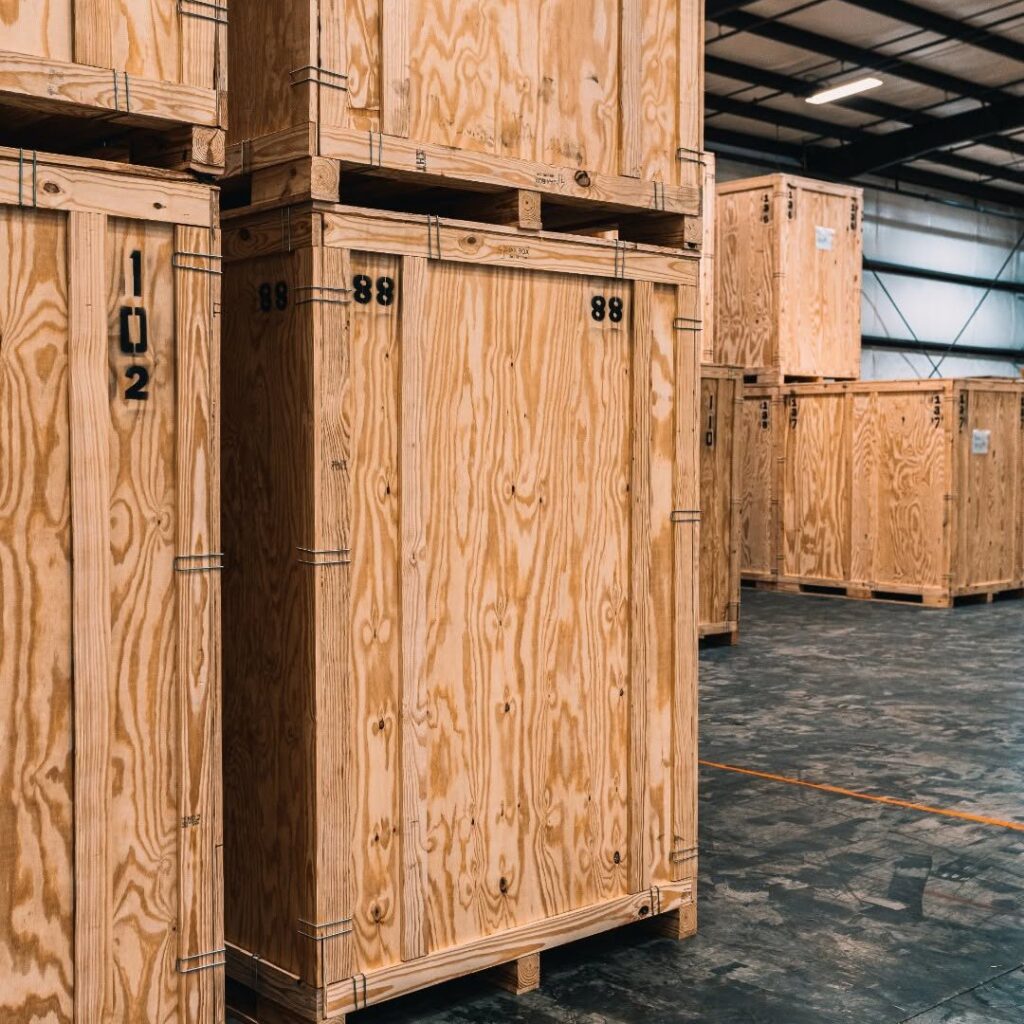
Our climate-controlled warehouse in Simpsonville runs 40,000 square feet and handles four storage types: vaults for household goods, racking for oversized items, palletized storage, and oversized storage for collector vehicles, boats, and pianos. The facility is monitored around the clock and designed for the full range of items a Greenville household or business actually needs to store safely.
What Happens When You Wait Too Long to Reserve Storage in Greenville
The most common version of this problem follows the same pattern. A buyer or renter realizes in late May or June that their move-out and move-in dates don't line up. They start calling self-storage facilities in Greenville and Simpsonville. Climate-controlled units in the size they need are unavailable. They end up on a waitlist with no clear timeline, settle for a unit that doesn't fit well, or make a rushed decision that costs more than it should have.
Booking storage at the same time you book your movers eliminates that search entirely. When storage is part of the move plan from the beginning, the logistics hold together regardless of what the self-storage market looks like during that particular week.
How We Handle Storage Demand During Peak Season
Our 40,000 square foot Simpsonville facility gives us the capacity to absorb demand that puts smaller facilities on waitlists. More practically, storage is built into our residential moving service as a standard feature, which means customers who book a move with us aren't making a separate storage search in a market where availability is already tight.
Every residential move we handle in Greenville includes two months of free climate-controlled storage. That covers the most common gap between move-out and move-in without adding cost. For customers who need longer storage, or businesses that need warehousing beyond a standard residential hold, extended storage is available through our Simpsonville location.
The practical advantage during peak season is straightforward. When your mover and your storage provider are the same company, you're not competing for a separate unit at a separate facility with separate waitlist dynamics. One estimate covers both. One crew handles both.
How to Plan Ahead for a Greenville Move That Includes Storage
If your move is happening between April and August in Greenville, treat storage as something to book at the same time you book your movers, not something to figure out after the moving date is locked in. By the time you realize you need it, the availability window may have already narrowed significantly.
Our storage services page has more detail on how our Simpsonville warehouse handles different storage types and what's included with every residential move.
Related Topics: