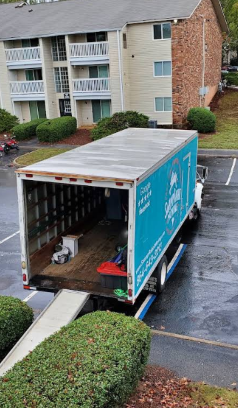
Most moving complaints start the same way. The quote sounded reasonable over the phone, the crew worked hard all day, and then the invoice came back a few hundred dollars above what anyone expected. Nobody set out to mislead. The number was built on guesses instead of a real look at the job.
We dispatch our crews out of Simpsonville, and we have watched that gap open up more times than we would like. Almost none of it is mysterious. Stairs, long carries, oversized pieces nobody mentioned, boxes counted after packing is finished, a date that landed on the busiest weekend of the summer. Every one of those is predictable if somebody asks about it before the truck is booked. Here is where the money hides, and what a straight estimate should look like before you agree to anything.
Where Unexpected Moving Charges Come From
Surprise charges almost never arrive as one big line. They build from small adjustments made on moving day, each one defensible by itself, none of them priced at the start. A non-binding quote leaves room for exactly that. It is not automatically a trap, but you should know which kind of quote you are holding before you sign it. A binding quote locks the price. A non-binding one can move.
The usual suspects are long carries when the truck cannot park close to the door, stair charges in three-story townhomes, shuttle fees when a full-size truck cannot reach a narrow street, bulky item charges for safes and treadmills, and packing materials billed per box once the work is finished. We list those as separate lines on our local moving service in Simpsonville whenever they apply to your address, because learning about a charge at delivery helps nobody. Our claims rate sits under 1 percent and our referral rate at 98 percent. That record holds because the invoice rarely surprises anybody.
What Your Written Estimate Should Spell Out
A real estimate is not a number. It is a breakdown you can hold next to another company's breakdown and read line against line. If a mover gives you one figure over the phone without asking what is in your garage, how many stairs you have, or whether the new place sits behind a gate, you are holding a guess dressed up as a quote.
Ours are free, written, and itemized before anything gets confirmed. Whoever you end up hiring, the paperwork should contain all of this:
- Crew size and the hourly rate attached to that crew
- Estimated hours built from an actual inventory, not a room count
- Travel time from the company yard to your origin address
- Packing materials priced per item rather than lumped into one figure
- Stair, long carry, shuttle, and bulky item charges where they apply
- Whether the quote is binding or non-binding, stated plainly
If a line is missing, ask for it in writing. A company that will not put a charge on paper beforehand is the same company that will add it afterward. Reading two quotes against each other gets far easier once both are itemized, and it helps to compare written moving quotes side by side before you commit to either one.
Charges That Come From Your Property, Not Your Belongings
Plenty of charges have nothing to do with what you own. They come from the building, the street, and the parking. Two identical three-bedroom households can price differently because one sits on a flat driveway and the other sits at the top of a hill behind a locked gate with a 24-foot clearance.
Walk your own property before the estimate and note what a stranger would struggle with. Where will a 26-foot truck sit? How far is the front door from that spot? Is there an elevator, and does it need reserving? Does your association restrict truck access on weekends? Tell the estimator every bit of it. Our crews handle furniture disassembly and reassembly as standard, so a bed frame or a sectional does not turn into an add-on, but a 200-foot carry across a lawn is real labor, and it belongs in the quote from the start.
Get the number in writing before you book anyone. Our estimates are free, itemized, and built from a real inventory rather than a phone guess. The figure you sign is the figure you pay.
How Your Move Date Changes the Final Number
Price follows demand in this business, and demand across the Upstate is not spread evenly through the year. May through September is our heaviest stretch. Month ends fill first, along with the last Friday before a school year starts, because leases and closings cluster around those dates.
Moving midweek, mid-month, or outside the summer peak usually costs less for identical work, and there is more detail on seasonal demand and moving rates if you are weighing two possible weeks against each other. The same shift tends to get you a better pick of crew and arrival window. If your closing date carries any flexibility at all, that flexibility is worth money, because the calendar is the one variable most people never think to negotiate on.
Questions Worth Asking Before You Sign
The call where you ask hard questions is the cheapest part of your move. Companies that operate properly answer without hedging. The ones that deflect are telling you something useful.
Ask whether the company runs its own crews or hands the job to another carrier. We do not broker. The crew at your door is on our payroll, in our trucks, under our name, which means one company owns the outcome from the first box to the last. Ask what happens if something breaks and how a claim gets filed. Ask whether the estimate can change and under exactly what conditions. Then ask how deposits work, because a large cash deposit demanded upfront is one of the clearest warning signs in the industry. Knowing how to spot deposit and bait pricing tactics is worth the ten minutes before you hand anybody money.
Frequently Asked Questions
These come up on almost every estimate call we take. The answers below reflect how we quote and bill, and they hold true for most reputable companies working in Greenville County.
Why did my final moving bill come in higher than the estimate?
Usually because the estimate was non-binding and the job took longer, or because charges like stairs, long carries, and packing materials were never itemized at the start. Ask which type of estimate you were given and request every potential charge in writing. A quote built from a real inventory rarely drifts.
What is the difference between a binding and a non-binding estimate?
A binding estimate locks the price in writing, and it cannot change after signing regardless of how long the work takes. A non-binding estimate is a projection that can move based on actual hours or weight. Both are legitimate, but you should know which one you hold before moving day.
How is a local move priced in South Carolina?
Anything under 150 miles counts as a local move and is priced by the hour, based on crew size and time on the job. Anything over 150 miles shifts to a weight, distance, or flat rate model instead. The two are quoted in completely different ways.
Are packing materials included in a moving quote?
Not automatically. Boxes, tape, paper, and specialty cartons are usually a separate line, and we itemize them so you can see the cost before the work starts. If a quote does not mention materials at all, ask how they will be billed.
Should I be charged extra for stairs or a long walk to the truck?
Those charges are standard across the industry when they apply, and they reflect genuine extra labor. The problem is not the charge; it is finding out about it on delivery day. Describe your driveway, parking, and stairs during the estimate so the number accounts for them.
How much should I tip the crew?
A common guideline is 5 dollars per mover per hour, or 15 to 20 percent of the total split among the crew. Tipping stays entirely at your discretion and is never part of the quote.
What will movers refuse to take?
We do not transport alcohol, pets, plants, scuba gear, or BBQ supplies. Those get published upfront so nothing becomes a problem while the truck is being loaded. Anything unusual is worth mentioning during the estimate.
Talk to Our Team
Tell us what you are moving and where it is going, and we will put a free, itemized estimate in writing before you commit to a date.
Call (864) 643-2213, email sales@swamprabbitmoving.com, or contact us here. Our office sits at 1102 Old Stage Rd, Unit D, Simpsonville, SC 29681.
Related Topics: