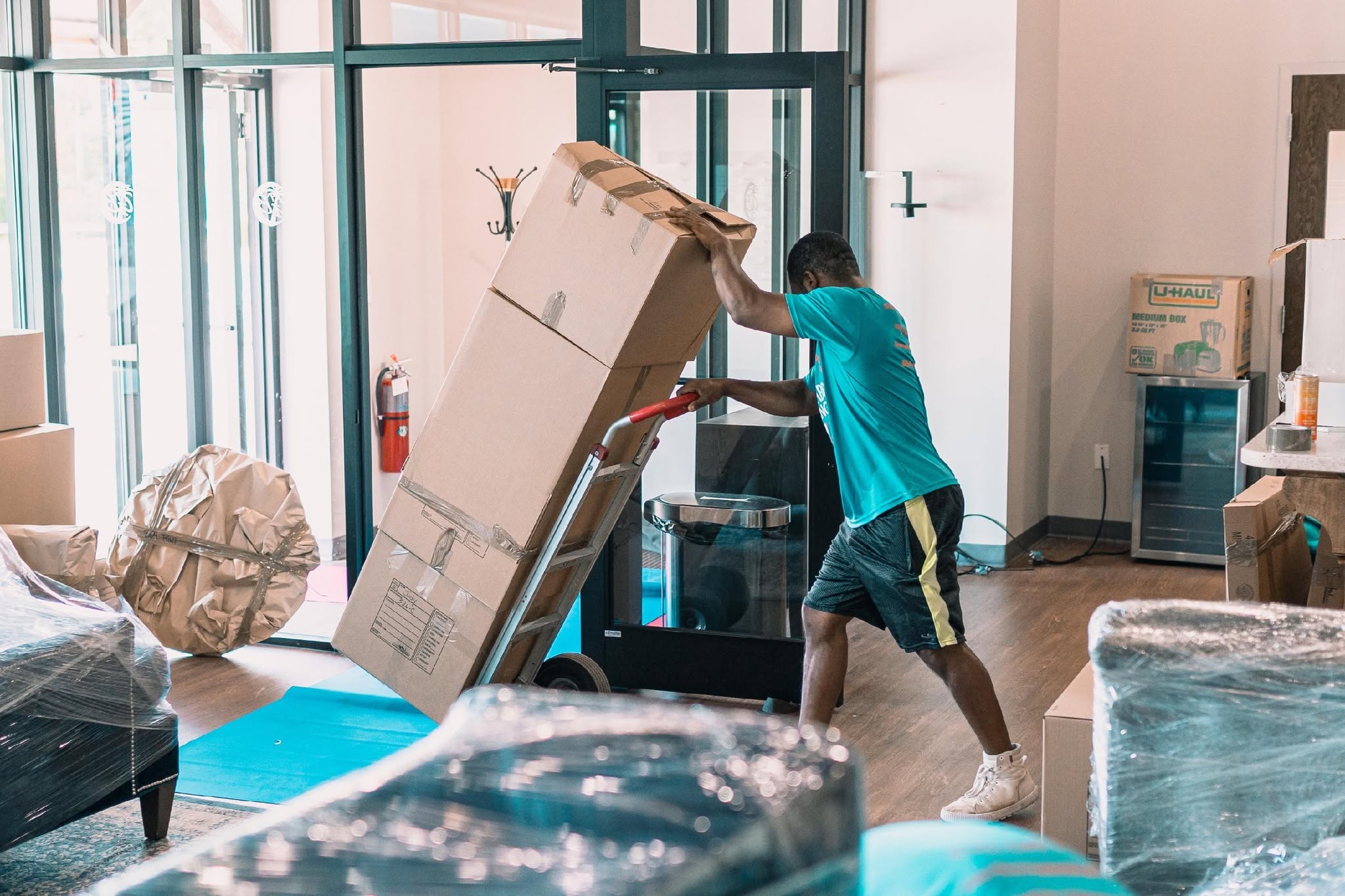
Organizing a move well comes down to sequence, not effort. Work room by room, set a timeline that runs backward from your move date, and label boxes so a crew can place them without asking you anything. Households that get those three right finish faster and pay less on an hourly move.
Most people start by grabbing boxes and filling whatever is nearest. That approach feels productive for about two days and then collapses into a house full of unmarked cartons. We see the result on moving day, and the difference between an organized home and a scattered one is often two full hours of crew time.
Start With Rooms Instead of Boxes
Treat each room as its own project with a clear finish line. Walk it once and decide three things. What is coming with you, what is being donated or sold, and what you will not touch until the week of the move. Write that down somewhere you will actually look at again.
Our residential moving services for families are built around that rhythm, so rooms with low daily use come first. Guest bedrooms, closets, the garage, seasonal storage. Kitchens and bathrooms stay functional until the last stretch because you still live there, which is why our estimates ask how much packing you expect to finish before we arrive.
Build a Timeline That Works Backward From Your Move Date
Start at the move date and count backward, not forward from today. Six weeks out is when the booking happens, and the decluttering starts. Four weeks out, you should be packing the low-use rooms. Two weeks out, you confirm building access, elevator reservations, and parking. The final week is kitchens, bathrooms, and the essentials box.
That backward count matters more in some months than others. Demand spikes in summer and around end-of-month dates when leases turn over, and the university calendar adds pressure in mid-August and mid-May. If your date lands in any of those windows, knowing how far ahead to book movers is the difference between choosing your date and taking whatever is left.
Label So the Crew Can Place Boxes Without Asking
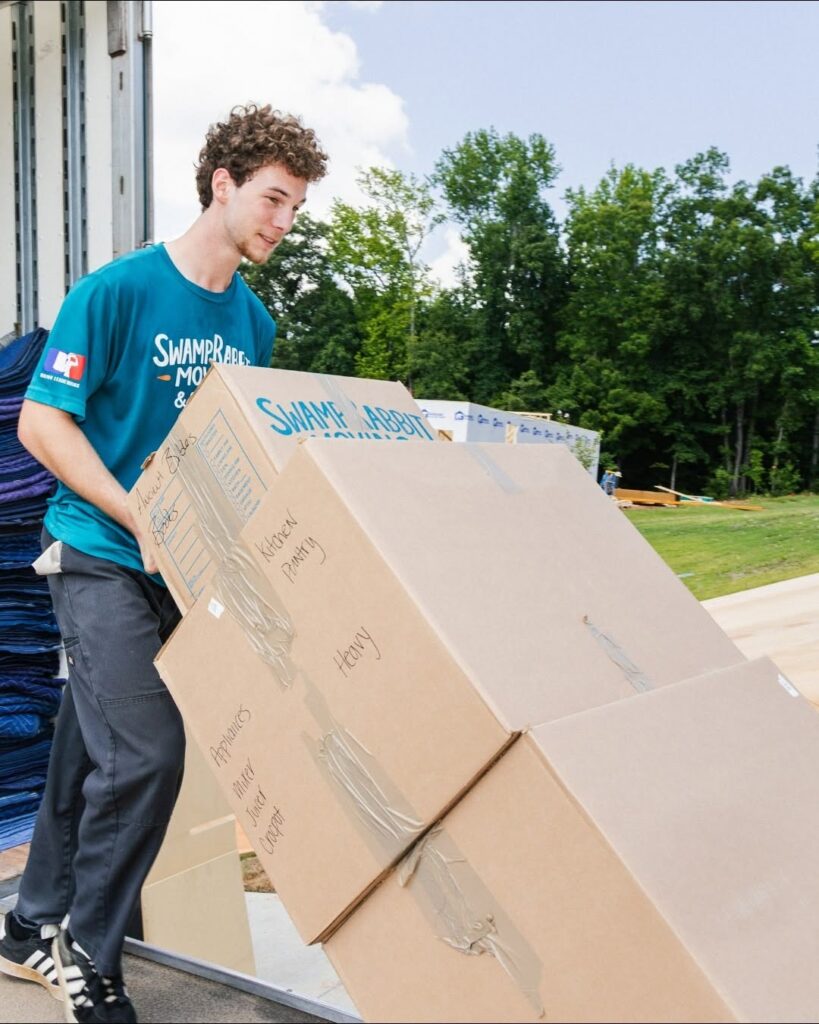
Labeling is where organized moves separate from chaotic ones. A crew that has to ask about every third box loses momentum, and on an hourly job, that lost momentum shows up on your invoice. Clear labels let us carry boxes straight to the right room without a conversation at the door.
A label that works carries four pieces of information.
- Destination room at the new address, not the room it came from
- Two or three words on contents, enough to find things later
- A fragile note where it genuinely applies, not on every box
- Your own numbering if you want to track what arrived
Write on at least two sides of every box. You cannot predict how a carton gets turned or stacked in a truck, and a label facing the wall is a label nobody reads.
Planning a move in the Midlands? Tell us how far along your packing is, and we will size the crew and the day around where you actually are, not where you hoped to be.
Decide Early What You Are Packing Yourself
The split between what you pack and what we pack should be settled weeks ahead, not negotiated on the morning of the move. A common arrangement works well. You handle bedrooms, closets, and the home office. We take the kitchen, the garage, and anything fragile, because those are the rooms where speed and materials matter most.
Whatever you do pack yourself, pack it properly. Boxes that are overfilled, underfilled, or sealed badly slow the load and raise the odds of damage in transit. Most of the packing mistakes that cost time are small decisions made during a busy week, and they compound by the time the truck is loaded.
Organize the New Place Before You Arrive
Spend twenty minutes with a floor plan before moving day. Decide where the bed goes, which wall the sofa sits against, and which bedroom belongs to whom. Print it, or at least have it on your phone. Standing in an empty living room making furniture decisions while a crew waits is one of the most expensive forms of indecision there is.
Then mark the rooms. A sticky note on each door with the same room names you used on your box labels turns unloading into a straightforward process. Our crew reads the label, reads the door, and keeps moving. That small bit of preparation is often what separates a five-hour job from a seven-hour one.
Ready to get it on the calendar? Request a free written estimate, and we will walk through your rooms, your timeline, and the crew size that fits the job.
Related Topics: