The greenest move is the smallest one. Every item you decide not to take is a box you do not buy and weight you do not haul. That is why decluttering does more for the footprint of a move than any packing material swap.
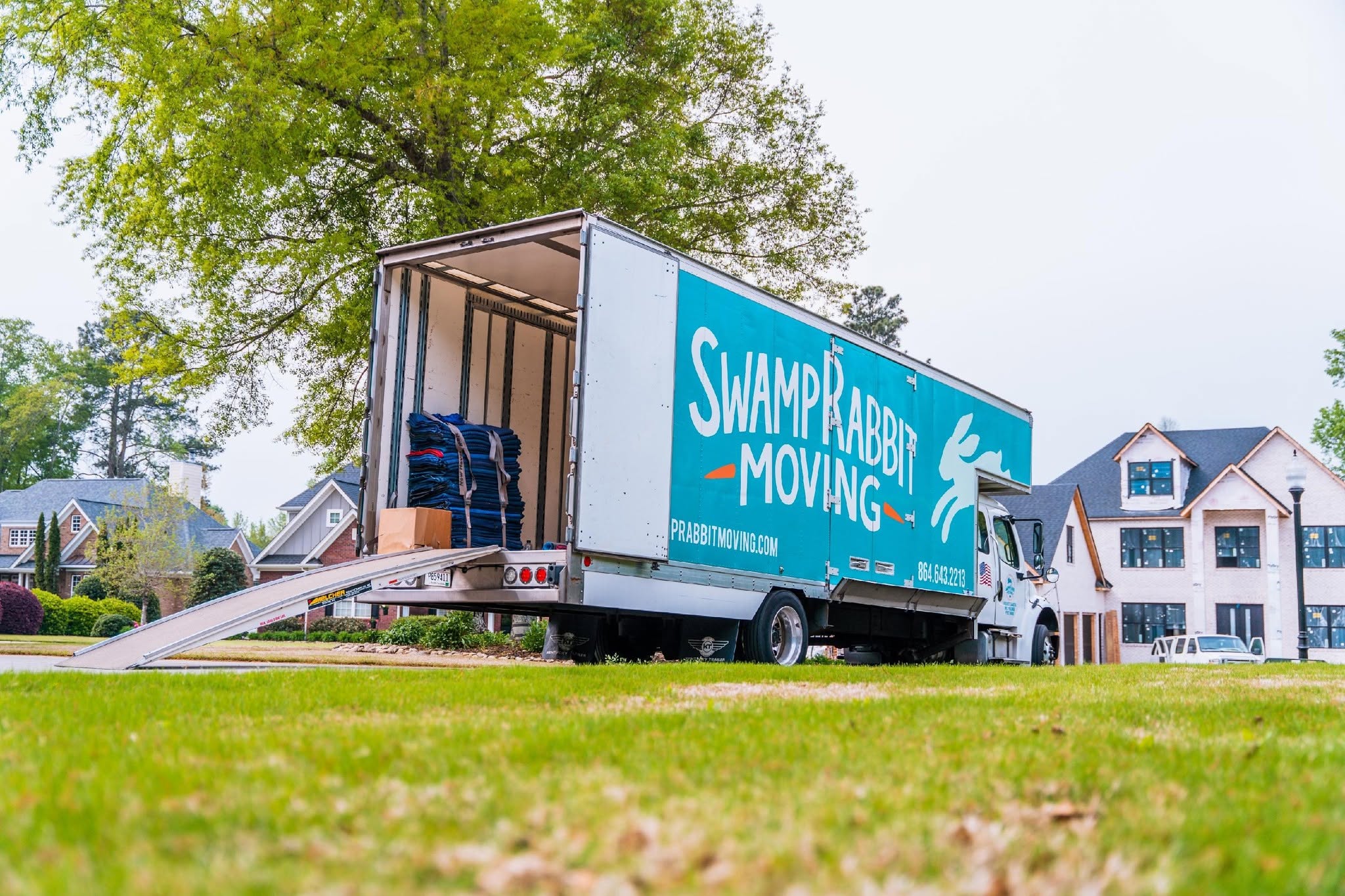
Our moving services run on 19 company-owned trucks across Columbia and the Midlands, and as one of the more reliable movers in town, we treat reusable blankets and pads as standard equipment on every job rather than an upgrade.
Crews also take packing materials back with them at the end of a full service move, so the boxes do not become your problem. Start a donation pile this weekend, just a small one, and the rest of the decisions get easier.
Where Most of the Waste in a Move Actually Comes From
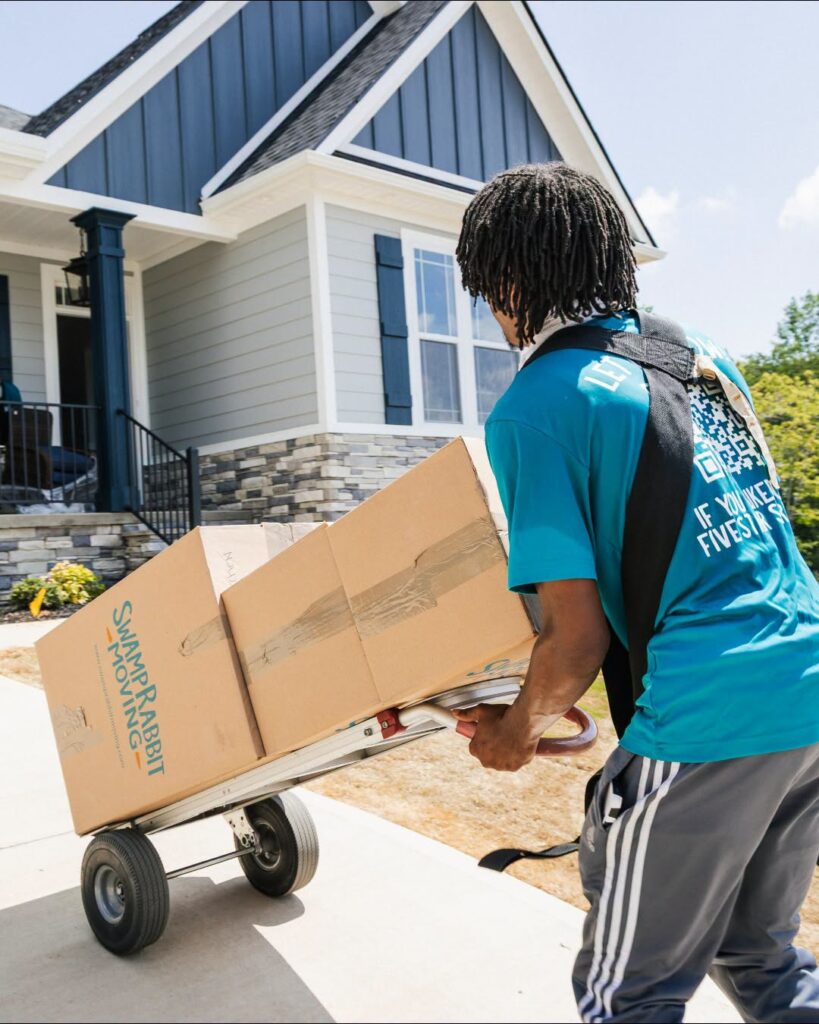
Single-use cardboard is the visible waste, and it is real. A three-bedroom household typically works through sixty to a hundred boxes, plus tape, paper, and plastic wrap, whether you pack it yourself or lean on packing services. Most of it is handled once and then flattened into a pile in a garage, which is kind of a sad ending for that much cardboard.
The higher and less visible cost is fuel and furniture. A move that needs two truck trips instead of one roughly doubles the transport footprint. Trips are driven by volume, not by box count.
Furniture sent to landfill because it did not suit the new layout is heavier still, and a single discarded sofa outweighs the entire cardboard load of most household moves. The disposal decisions made weeks out matter more than the packing decisions made in the final days.
Moving Less Is the Single Biggest Thing You Can Do
Give yourself four to six weeks and work room by room rather than trying to do the whole house in a weekend. Closets, garages, and storage rooms produce the fastest results because they hold the highest proportion of things nobody has touched in years.
Sort into keep, donate, sell, and recycle. Be honest about the keep pile, since anything without a clear place in the new home is being moved twice for no reason.
Downsizing to fit the space is the version of this that people skip. An oversized sectional or a formal dining set that worked in a house in Irmo may have nowhere to go in a townhouse downtown or a smaller home in Cayce.
Measure the new rooms before you decide what moves. Those pieces then get rehomed while they still have value, instead of sitting in a garage for a year, and cutting volume also lowers the cost of moving in Columbia, since what a move costs tracks volume and hours more closely than anything else.
Where to Donate and Recycle Around Columbia
Columbia and the surrounding Midlands have furniture donation programs, building material resale outlets, textile collection points, and electronics recycling drop-offs. Most of them are specific about what they take and whether they collect, so a phone call before you load anything into a car saves a wasted trip. Ask a few things every time.
- Do you collect, or is it drop-off only, and is there a size limit on furniture
- What condition standard applies, since most furniture programs decline anything torn, stained, or structurally damaged
- What is the lead time for a pickup, which in busy months can run one to two weeks
- Do you take electronics, mattresses, or appliances, which are the three categories most commonly excluded
- Is a donation receipt available, worth having if you plan to claim it
Mattresses, large appliances, and televisions are the items most likely to need a dedicated route rather than a general donation. Check your county's bulk item and electronics recycling schedule early. These collections often run monthly rather than weekly, and missing one leaves you with a mattress and no plan.
Book pickups early. Donation collection slots fill up in spring and summer for the same reason moving dates do, so schedule them the same week you book the crew.
Noticed a sofa or dresser that still has life in it but no room in the new place? Give us a call at (803) 373-9885, and we'll talk through your options before it ends up at the curb.
Reusable Materials Instead of Single-Use Packing
Rentable plastic moving crates are the most straightforward swap available. They stack better than cardboard, they do not collapse in humidity, and they go back to the supplier at the end rather than into a recycling bin. Rental periods usually run a week or two, which suits a local move across Columbia far better than a long distance one.
For anything you pack yourself, the materials are probably already in the house. Towels, bed linen, blankets, and clothing protect dishes and glassware as well as paper does and have to be moved anyway.
Suitcases and plastic storage bins you already own should be filled before a single new box is bought. When our crews wrap furniture, moving blankets and pads do the work plastic wrap does elsewhere, and we reuse them on the next job. That same padding lets you protect your furniture during a move without generating a bag of film at the other end.
Fewer Trips, Fuller Trucks
Transport is where the numbers get decided. One well-loaded truck beats three half-loaded car trips by a wide margin. That is the quiet environmental argument for hiring a crew instead of shuttling loads yourself across town. A professional load also packs more densely, so the same belongings take up less truck.
Getting the crew size right supports this. A crew too small for the job stretches the day and sometimes forces a second trip, while the right configuration completes the load in one pass. Having everything packed and staged before the crew arrives is the other half of it. A truck that waits while boxes get filled is a truck running a longer day than it needed to.
What Happens to Packing Materials After the Job
When our crew handles the boxes, the materials come back with us at the end. Boxes in reusable condition go back into circulation, and the blankets and pads are cleaned and used again. You are not left with a garage full of flattened cardboard to deal with in your first week at the new address.
If you packed yourself, the boxes still have a life ahead of them. Break them down and keep them flat and dry, then offer them to someone moving next month through a neighborhood group or a community page.
Cardboard that gets used a second time is worth more than cardboard that gets recycled after one trip. Whatever is genuinely finished should be flattened, have the tape removed, and go into curbside recycling rather than the bin.
Start the sort six weeks out. Work the closets and the garage before you price anything, then ask for a crew size that clears the house in a single pass rather than two. Less volume, fewer trips, and reusable padding together do more than any single swap, and a move handled that way stops being the wasteful event it usually is.
Have questions about planning a greener move, or just want to talk through your options first? Contact us, and we'll help you figure out the right next step. You can also reach us at (803) 373-9885 or sales@swamprabbitmoving.com. We're here seven days a week from 7 AM to 10 PM.
Related Topics: