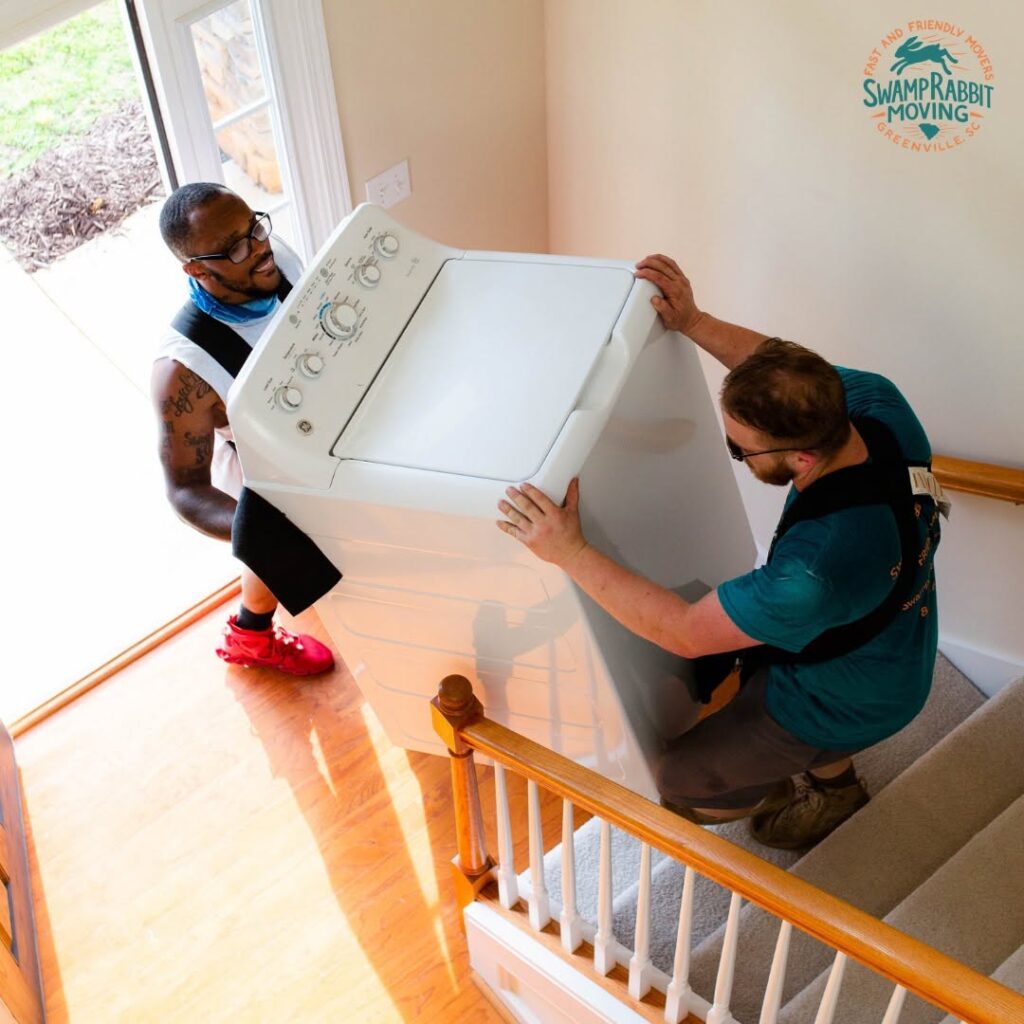
Large appliances need preparation days before the truck arrives, not minutes. Refrigerators have to be emptied, defrosted, and dried. Washers need their drums secured. Gas connections are a licensed professional's job, not a mover's and not yours. Appliances that are ready go on the truck in a few minutes, and appliances that are not can hold up an entire morning.
This is also the category where damage tends to be expensive and invisible at first. A washer moved with an unsecured drum can arrive looking perfect and fail a month later, which is why we walk through appliance prep during the estimate rather than on the day.
Appliance Prep Starts Days Before the Truck Arrives
Work backward from your move date. Two or three days out, start running down the contents of the freezer and the fridge. The day before, unplug the refrigerator, empty it completely, and leave the doors open so it defrosts and dries. A unit that still holds moisture will grow mildew inside a closed door, and the smell is difficult to get rid of afterward.
Check your manuals while you are at it, because appliance-specific requirements vary more than people expect. Many washers need transit bolts installed before they move. Some refrigerators require the unit to stand upright for a set period before being powered back on.
Our residential movers for whole-home jobs ask about appliances during the estimate specifically because the prep has to happen on your side before we show up.
What Has to Be Disconnected by a Licensed Professional
Gas appliances are the clear line. A gas range, a gas dryer, or anything else connected to a gas supply should be disconnected and reconnected by a licensed professional or your utility provider.
This is not an area to improvise in, and it is not work a moving crew performs. Book it well ahead, because availability tightens at the end of the month when everyone else is moving too.
Water connections and hardwired appliances deserve similar caution. Shut off the supply, disconnect the lines, drain them fully, and cap or bag the ends. A dishwasher or a built-in unit that is hardwired rather than plugged in needs an electrician. Getting these handled before moving day is what keeps the morning from turning into a wait.
How to Prepare a Refrigerator, Washer, and Dryer
The three big ones each have their own routine, and none of them takes long if you start early enough. The errors we see are almost always about timing rather than technique, with people attempting the whole list on the morning of the move.
- Refrigerator: empty it, unplug it at least 24 hours ahead, defrost, dry the interior, remove or secure loose shelving, and tape the doors closed only once it is dry
- Washer: disconnect and drain the hoses, then install the transit bolts that came with the machine to lock the drum
- Dryer: disconnect the vent hose, and arrange professional disconnection first if it runs on gas
- All three, tape power cords to the back of the unit rather than letting them drag
- All three, keep the manuals and any hardware together in a labeled bag that travels with you
If the transit bolts are long gone, say so during the estimate. There are ways to reduce drum movement without them, but we need to know in advance rather than discovering it in your laundry room.
Appliances coming with you? Mention them when you request your estimate, and we will confirm what needs professional disconnection and what our crew handles.
Getting Appliances Through Columbia Doorways and Stairwells
Older housing stock creates most of the difficulty here. Homes around Shandon and Rosewood were built long before anyone designed a 36-inch French door refrigerator, and the hallways and doorframes reflect that.
A unit that came into the house years ago may have arrived before a renovation changed the path back out, which is why our crews assess the full route before they move heavy items.
Measure before moving day. Doorframe widths, stairwell turns, and the narrowest point along the route at both addresses.
Our crew does this during the walkthrough, but knowing earlier gives everyone options, such as removing a refrigerator door or planning a different exit. Appliance jobs reward planning more than almost any other category of move, and brute strength is rarely the deciding factor.
When It Makes Sense to Leave an Appliance Behind
Appliances are heavy, awkward, and occasionally not worth the trip. An aging washer with a few years left, a refrigerator that does not match the new kitchen's footprint, or a unit the buyer of your house actually wants are all reasonable things to leave. Weigh the cost of moving it against replacement, especially on an hourly job where every heavy item costs time.
Timing complicates the decision when closing dates do not line up, or the new appliance has not arrived yet. Arranging storage between move dates solves that gap more often than people realize, and it is worth raising during the estimate rather than improvising a garage solution later.
Either way, decide before moving day. An appliance nobody has made a decision about will get loaded, and then it is on the invoice.
Need the heavy items handled? Request a free estimate, and we will go through your appliances, the access at both addresses, and the crew size the job actually calls for.
Related Topics: