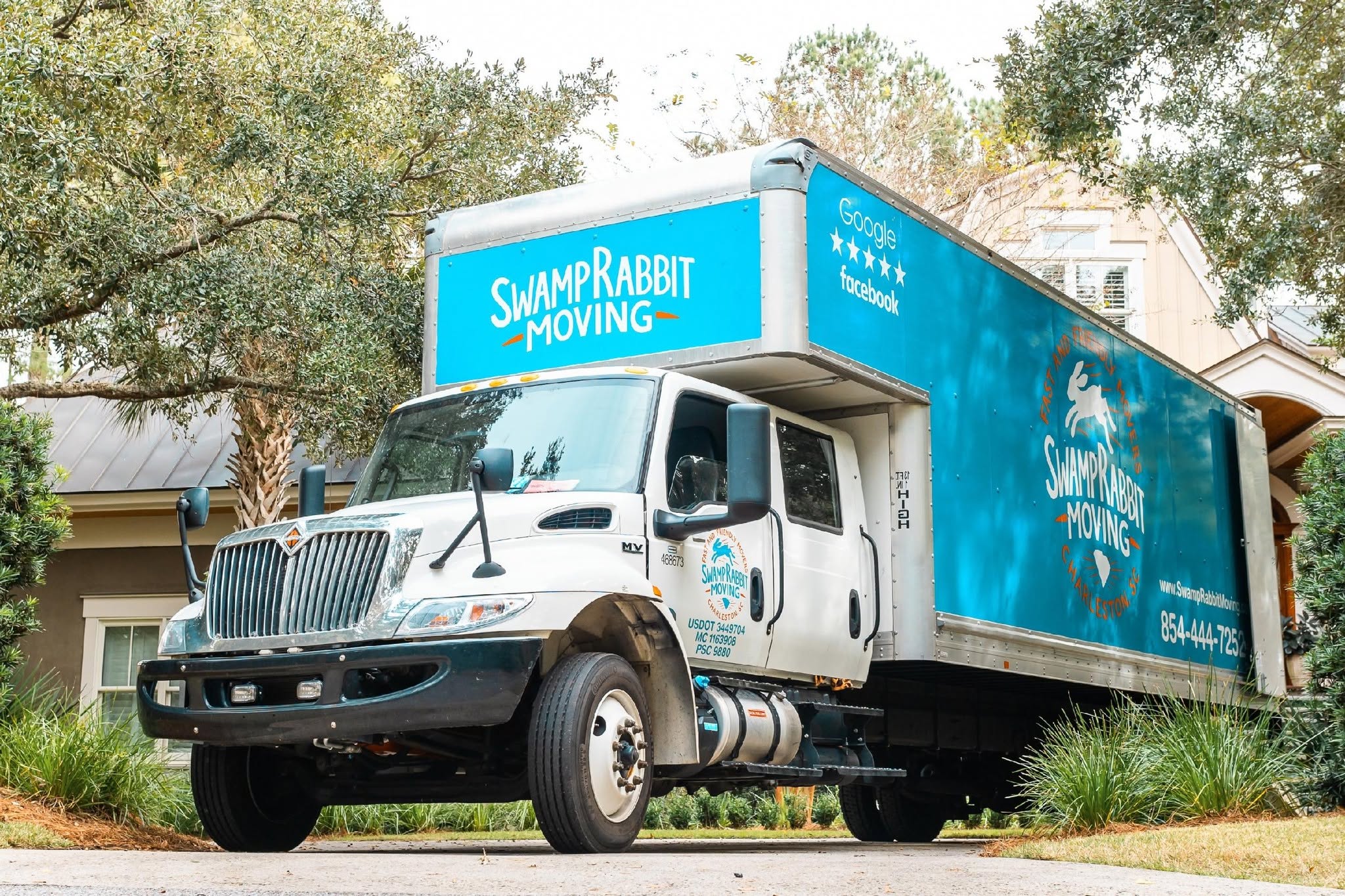
Anything that can ignite, explode, leak, spoil, or breathe stays off the truck. That covers fuel, propane, ammunition, aerosols, houseplants, pets, and, yes, open food containers. The list applies to every licensed moving company in South Carolina, not just to us. We're professional movers in Columbia, SC, running 19 company-owned trucks with our own employed crews.
The restriction list is the same on a local job as on a long haul. Sorting these items a week out takes an afternoon, maybe a bit less. Finding them while the crew is loading costs you time you are paying for, and that time adds up fast.
Why Some Items Are Kept Off the Truck
The reasons split into three groups, and knowing which one applies tells you how to handle the item. Safety covers anything flammable, corrosive, or pressurized, because a sealed truck in a South Carolina summer, you know, gets hot enough to turn a forgotten propane cylinder into a genuine hazard. A single leaking container can also destroy everything packed around it.
Liability covers cash, jewelry, passports, prescriptions, and irreplaceable documents. These are not dangerous, but they are impossible to verify and impossible to replace, so most local movers will tell you to carry them yourself.
The last group is practical. Perishable food and living things just cannot survive a loading process designed around boxes and furniture, and no amount of careful handling changes that.
Flammable and Pressurized Items That Stay Behind
This is the category that catches people off guard, mostly because the items live in a garage or a shed and nobody thinks of them as belongings. Work through these spaces early rather than on the last day, which is really the easiest way to prevent moving day disasters. Here is what to look for.
- Fuels and fluids, including gasoline, kerosene, lighter fluid, motor oil, and paint thinner
- Propane and pressurized cylinders, including grill tanks, camping canisters and fire extinguishers
- Aerosols, from spray paint and cleaning products to hairspray and insect killer
- Ammunition, fireworks, flares and black powder
- Corrosives and pool chemicals, including drain cleaner, acids, chlorine tablets and car batteries
Gas-powered equipment is the borderline case worth planning for. A lawn mower, a generator or a chainsaw can go on the truck once the fuel tank has been run dry and the oil drained. Run the mower until it stops on its own a few days before the move so there is time to deal with whatever is left. It sounds kind of fussy, but it's just a quick job.
Plants, Pets and Anything Alive
Houseplants stay out of the truck. A moving trailer has no climate control, no light, and no airflow, and a plant that spends a summer afternoon inside one arrives dead. For a local move across Columbia, the practical answer is your own back seat. Brace the pots upright in a box or a crate so they do not tip on the drive.
Pets travel with you, never with the load, and they need a plan of their own for the day. The front door stands open for hours while a crew works, which is the single most common way a dog gets loose during a move.
Shutting the animal in one room with water and something familiar, or arranging for it to spend the day elsewhere, removes that risk entirely. Planning ahead also helps you move your pets safely while a dozen other things happen at once.
Sort the garage early. The garage and the plant shelf hold almost every item a crew will have to set aside, and both take longer to work through than people expect. Maybe give each one its own afternoon.
Moving across Columbia with a shelf of houseplants or a pet in tow? Give us a call at (803) 373-9885, and we'll help you sort out a plan before moving day arrives.
Cash, Documents and Items You Should Carry Yourself
Some items are not prohibited so much as strongly discouraged, and the distinction matters. Our residential moving crews will not refuse to load a jewelry box, but nobody in the industry recommends it. Cash, checkbooks, bank cards, passports, birth certificates, deeds, titles, tax records, medication, and small high-value items belong in a bag that rides in your vehicle.
The practical reason is verification. Once a box sits on a truck among two hundred others, nobody can establish what was in it or trace it if it goes missing. Keeping these things with you removes the question altogether. Pack that bag before the crew arrives.
Keep it out of the staging area, too. Anything left near the front door on moving day has a way of ending up on the truck. It happens more than you'd think, honestly.
Perishable Food and Open Containers
Refrigerated and frozen food does not travel, even across town. Run down the fridge and freezer in the two weeks before the move, and plan the final grocery run around what you can actually finish. Whatever is left on the day should be given away, donated where a local pantry accepts it, or discarded rather than loaded.
Open pantry containers are the quieter problem. A half-used bag of flour or a partly full jar of sauce will find a way to open in transit. The mess reaches everything else in the box. Sealed, unopened, nonperishable goods are fine to pack.
Anything already opened is worth consolidating into a single sealed container or leaving behind. Defrost the freezer at least twenty-four hours ahead if the appliance itself is moving, since a wet appliance on a truck is its own separate problem. A towel under it helps, too.
What to Do With the Items We Cannot Load
Most of these items have a disposal route, and Columbia residents have reasonable options for each. Household hazardous waste covers paint, solvents, pool chemicals, and automotive fluids.
It goes through county collection programs rather than curbside pickup, so check current dates and locations well before the week of the move. Propane cylinders are usually accepted for exchange at the retailers that sell them.
Unopened nonperishable food can go to a local pantry, and plants are worth offering to neighbors or friends if the new place will not suit them. Build the two piles now. If it burns, leaks, breathes, or spoils, it travels with you, or it does not travel at all.
Sort your garage and pantry a week out, then tell your estimator what is left, so the crew arrives knowing exactly what goes on the truck. Moving day then stays about furniture instead of triage. Just a bit of prep goes a long way here.
Have questions about what can and cannot go on the truck, or just want to talk through your move first? Contact us, and we'll help you figure out the right next step. You can also reach us at (803) 373-9885 or sales@swamprabbitmoving.com. We're here seven days a week from 7 AM to 10 PM.
Related Topics: